The Essential Field Guide to AI's New Nervous System
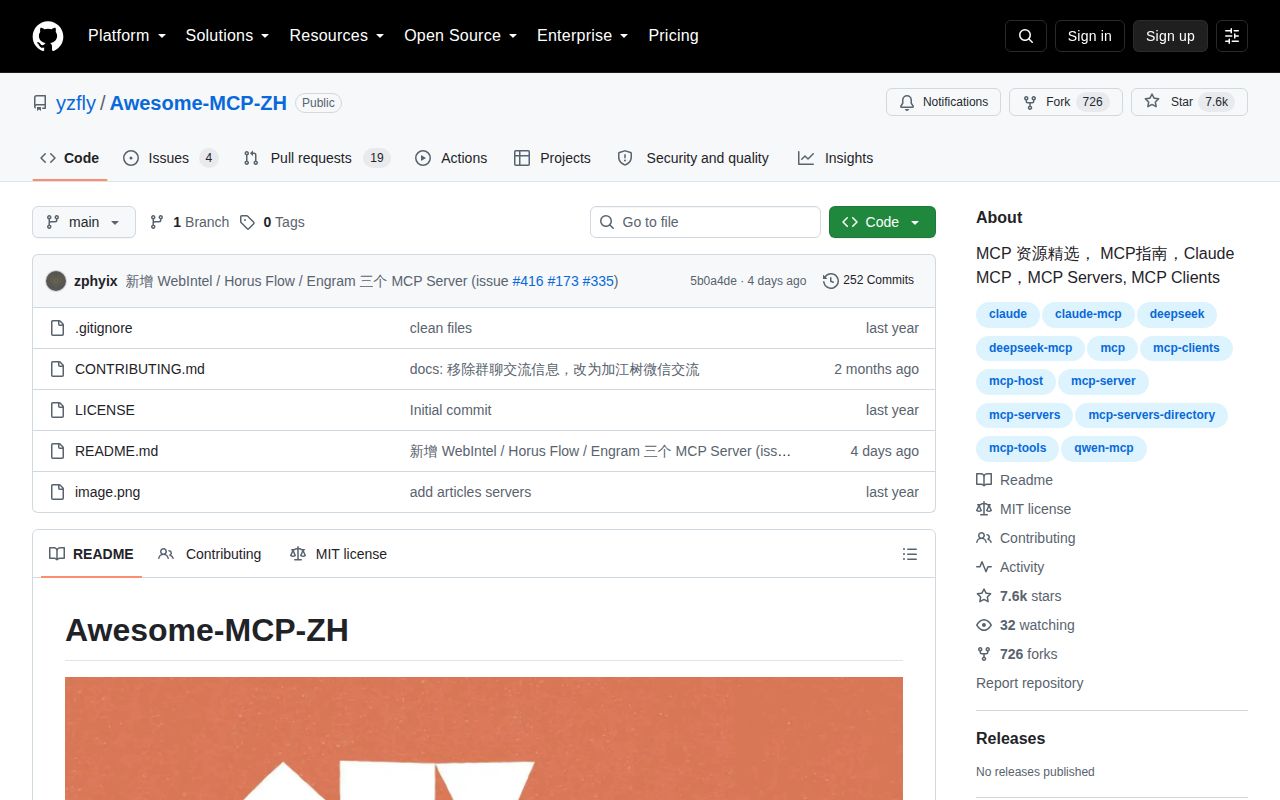
The Model Context Protocol (MCP), first introduced by Anthropic in late 2024, is the closest thing we have to a universal USB port for AI. It’s the open standard that finally lets large language models break out of their chat windows to interact with files, applications, and APIs in a structured way. But like any burgeoning ecosystem, its growth has been chaotic. Finding the right tools, the clients that act as the AI's cockpit and the servers that represent its hands and eyes, can feel like navigating a maze. yzfly/Awesome-MCP-ZH isn't just a map of that maze; it's a full-fledged, opinionated travel guide, specifically written for the massive Chinese-speaking tech community.
This isn't your typical, sterile "Awesome list." It’s a curated, practical, and deeply useful hub that reflects the specific needs and context of its audience. The author, who goes by Yunzhong Jiangshu, doesn't just list links. They provide crucial context, from a plain-language explanation of what MCP is (comparing it to an AI's "takeout delivery driver") to actionable advice for users in China, such as recommending the Cherry Studio + Alibaba Qwen combination for a free and accessible setup that doesn't require a VPN or international payments. This kind of localized, practical advice is what elevates the project from a simple directory to an essential resource.
A Universe of Tools, Neatly Organized
The core of the repository is its extensive, categorized lists of MCP clients and servers. This is where the project's true value shines. The client section provides a fantastic overview of the current landscape, covering everything from official applications like Claude Desktop and the command-line Claude Code, to developer-centric IDEs like Cursor and Continue, to powerful all-in-one solutions like AnythingLLM and LibreChat. Each entry includes a brief description, a link, and often a screenshot, giving you an immediate sense of what the tool does and who it's for. For anyone trying to decide on their primary AI interface, this section alone is worth the bookmark.
But the server list is the main event. It’s a sprawling catalog of capabilities you can bolt onto your AI, neatly organized into over 20 categories. The breadth is staggering. You’ll find servers for:
- Core Developer Tasks: Interacting with Git, executing shell commands, managing databases, and integrating with cloud platforms like AWS and Kubernetes.
- Productivity & Automation: Connecting to Slack, email, calendars, project management tools, and Office applications.
- Web & Data: Automating browsers, scraping websites, performing searches, and analyzing data.
- Niche & Specialized Integrations: There are servers for interacting with financial data, creating multimedia content, managing e-commerce stores, and even posting to Chinese social media platforms like 小红书 (RedNote).
This meticulous categorization turns an overwhelming firehose of information into a browsable and discoverable collection. It allows a developer to quickly find exactly what they need, whether it's a tool to let their AI manage a Cloudflare instance or one to help it interact with a local file system.
Rough Edges and Limitations
Awesome-MCP-ZH's greatest strength, its laser focus on the Chinese-speaking community, is also its most significant barrier for a global audience. The entire repository is written in Mandarin. For non-speakers, it's unusable without constant reliance on translation tools, which can often miss the nuance of technical discussions. This isn't a criticism of the project's choice, but a practical reality for our readers.
The project's nature as a curated list also brings inherent challenges. The MCP ecosystem is moving at a breakneck pace. With over 40 open issues, there's a risk that the list could accumulate dead links or point to abandoned projects. While the high star count (over 7,500) indicates strong community interest, it also highlights the maintenance burden on the curator. Without a formal release cycle, users have to monitor the commit history to stay abreast of the latest additions and removals, which is less than ideal.
Finally, many of the author's excellent, in-depth analysis articles are hosted on WeChat's official accounts platform (mp.weixin.qq.com). For users outside of the WeChat ecosystem, accessing this content can be cumbersome or impossible, locking away some of the valuable context that makes this repository so special.
Final Verdict
For a developer, researcher, or enthusiast in the Chinese tech scene looking to dive into MCP, Awesome-MCP-ZH is nothing short of a foundational resource. It demystifies a complex topic, provides a comprehensive survey of the available tools, and offers practical, culturally-aware advice that you won't find anywhere else. It’s a masterclass in how to create a community resource that is genuinely, immediately useful.
If you don't read Mandarin, you'll have to look elsewhere. But you should still take note of this project's success. It serves as a powerful reminder that the most impactful open-source projects are often those that deeply understand and serve the specific needs of their community. This isn't just a list of links; it's a vital hub for one of the world's largest and most active developer populations as they build the future of AI.